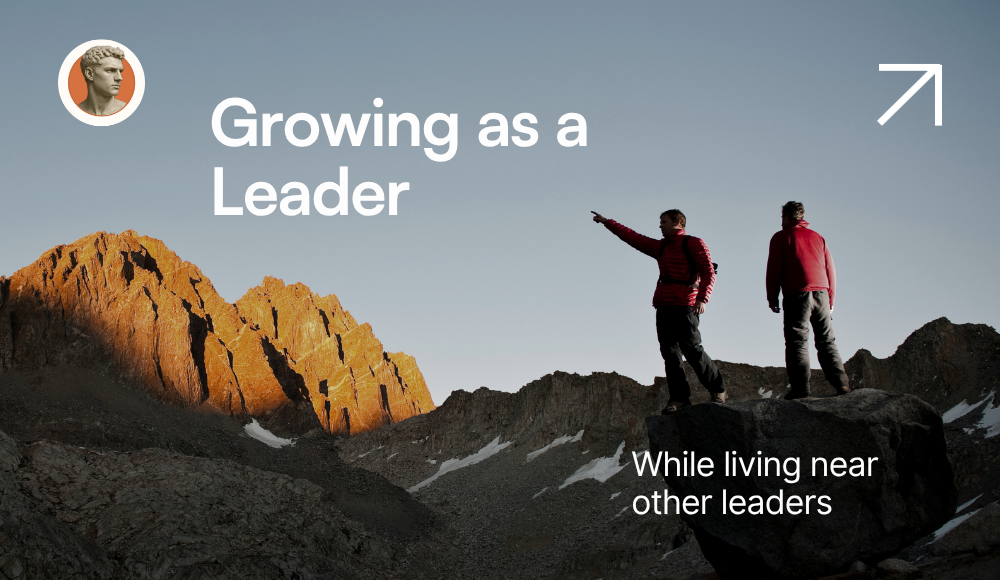
You already understand the value of iterating fast. But iteration isn’t powered only by sprints, features, or user interviews — it’s shaped by your environment. The people in your orbit, the pace of conversations, even the vibe of your home directly impact how quickly you can ship. That’s why founders who live under the same roof consistently build MVPs faster than those working solo or commuting to coworking spaces. Shared living creates a high-velocity ecosystem that traditional setups rarely match. Here’s why it works.
Instant Feedback, No Scheduling Required
When you live with other builders, someone who speaks “startup” is always nearby. You can float an idea at midnight, brainstorm while making coffee, or get a gut-check in the hallway. What usually takes days — scheduling a call, writing context, waiting for replies — shrinks into minutes.
Every micro-reaction becomes a data point.
Rapid iteration > calendar coordination.
Organic Micro-Collaboration
Need critique on a landing page? Someone lounging on the sofa probably designs for fun. Struggling with payment APIs? Someone in the kitchen fought that exact bug last week. In a shared founder house, titles matter less than shared momentum.
When everyone is solving similar problems, creative cross-pollination becomes the norm.
One breakthrough lifts the whole house.
Effortless Accountability
Living alongside driven people creates an unspoken standard: progress must be visible. When the person across the table ships v0.5 and you’re still polishing v0.1, you feel the pull — not as pressure, but as momentum.
Motivation becomes ambient.
Consistency becomes natural.
Building Trust at High Speed
Trust is slow when it’s built on Zoom calls, follow-ups, and polite check-ins. But it forms quickly over shared meals, debugging sessions, or late-night rants about broken deployments. You don’t need weeks of vetting when you’ve watched someone’s habits, discipline, and character up close.
A shared home quietly doubles as a co-founder discovery engine.
Faster Learning Through Collective Experience
Here’s the difference: failing alone means paying full price for every mistake. Failing inside a house of entrepreneurs means each lesson echoes across the group. Everyone avoids the same pitfalls without repeating them.
Knowledge moves across rooms — not Slack threads or anonymous forums.
Closing Thought
Spaces like Foundry are built around this truth. They don’t just host founders — they assemble aligned builders. People who ship instead of doom-scroll. Who deliver feedback instead of compliments. Who build because the world won’t slow down for them.
Living with other founders dissolves the emotional and environmental friction that slows individual creators. You learn quicker, think sharper, fail safer, and launch sooner.